Selling Designs on Zazzle: How Creative Ideas Turn into Scalable Income
Selling Designs on Zazzle has emerged as a powerful opportunity for designers who want to turn creativity into a reliable income stream. But is success on Zazzle really about talent alone, or does it require a deeper understanding of strategy, branding, and market behavior? As demand for customized products continues to grow, more creators are entering the platform—making it essential to stand out with more than just attractive visuals.
Many aspiring designers begin their journey with enthusiasm, yet struggle to gain traction. They often ask: Why do some stores thrive while others remain invisible? The answer lies in understanding how personalized product ecosystems work and how customers make purchasing decisions. From artwork presentation to niche selection, every small detail plays a role in long-term success.
This comprehensive guide explores Selling Designs on Zazzle from a professional and strategic perspective. It covers design fundamentals, product planning, audience targeting, and brand positioning—helping designers build a strong foundation for sustainable growth. Whether you are just starting or looking to scale, this article provides the clarity and insight needed to succeed.
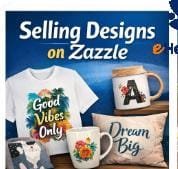


How Personalized Product Platforms Operate
Zazzle functions within the growing print-on-demand business model, allowing designers to upload artwork that can be applied to hundreds of customizable products. Unlike traditional e-commerce, there is no need to manage inventory, shipping, or customer support, making it an attractive option for creatives.
However, this accessibility also increases competition. Thousands of new designs are uploaded daily, which means visibility is earned—not guaranteed. Understanding how the marketplace categorizes products, surfaces designs, and matches them with customer intent is essential for success.
The Psychology Behind Custom Product Buyers
Customers shopping for personalized items are usually motivated by emotion rather than price alone. They are looking for:
Gifts with personal meaning
Products that express identity or beliefs
Custom items for events, celebrations, or branding
Designers who align their work with these emotional triggers are more likely to generate consistent sales. This is where buyer intent optimization becomes a key factor in design planning.
Creating Art Products on Zazzle That Actually Sell
Designing with Purpose, Not Guesswork
Creating Art Products on Zazzle requires more than artistic creativity—it demands strategic thinking. Successful designers research trends, identify gaps, and create designs that serve a clear audience.
Key elements of high-performing designs include:
Clear visual hierarchy
Readable typography at small sizes
Scalable artwork that fits multiple products
Strong emotional or functional appeal
Designs that look good on a canvas but fail on a mug or phone case often struggle to convert.
Choosing Profitable Design Niches
One of the most overlooked success factors is niche-focused design strategy. Broad themes often get lost in competition, while targeted niches attract loyal buyers.
Examples of strong niches include:
Profession-based humor or pride
Hobby and lifestyle communities
Seasonal and event-specific designs
Motivational or inspirational messaging
By focusing on niche relevance, designers increase both visibility and conversion rates.
Selling Designs on Zazzle as a Long-Term Business
Building a Recognizable Brand Identity
Selling Designs on Zazzle becomes significantly more effective when treated as a brand rather than a hobby. Brand consistency helps customers recognize and trust your work across different products.
Important branding elements include:
Consistent design style
Unified color palettes
Clear messaging tone
A focused store theme
Strong branding improves customer retention and encourages repeat purchases.
Product Expansion Without Dilution
Many designers make the mistake of uploading too many unrelated designs. While variety can be helpful, unfocused expansion weakens brand identity.
A smarter approach is strategic product scaling, where successful designs are adapted across multiple product types while staying within the same niche or theme.
How to Succeed as a Designer on Zazzle
Mastering Platform Optimization Basics
How to Succeed as a Designer on Zazzle starts with understanding how product visibility works. While creativity matters, optimization determines whether your designs are discovered at all.
Critical optimization factors include:
Clear, descriptive product titles
Relevant and natural keyword placement
Accurate categorization
Well-written product descriptions
Ignoring these elements often results in high-quality designs going unnoticed.
Consistency Over Viral Success
Many beginners chase viral success, but sustainable income comes from consistency. Uploading regularly, refining designs based on performance, and staying aligned with your niche leads to steady growth.
Successful designers treat their stores as evolving portfolios rather than static collections.
Marketing Your Zazzle Store with Strategy
Organic Visibility Through Smart Positioning
Marketing Your Zazzle Store does not always require paid advertising. Strategic positioning and branding can generate organic traffic over time.
Effective organic strategies include:
Seasonal product planning
Trend-aware design releases
Audience-specific messaging
Consistent product updates
This approach builds momentum gradually but sustainably.
Understanding Customer Journey Behavior
A professional designer understands the digital buyer journey, which includes discovery, evaluation, and purchase. Optimizing each stage improves conversion rates without aggressive promotion.
Designers who think like marketers consistently outperform those who rely on visuals alone.
Common Mistakes Designers Must Avoid
- Overloading Stores with Low-Quality Designs
Quantity without quality is one of the fastest ways to damage credibility. Stores filled with rushed or poorly executed designs struggle to gain traction.
- Ignoring Data and Performance Signals
Successful designers analyze which products perform best and why. Ignoring performance patterns prevents growth and improvement.
Advanced Growth Strategies for Selling Designs on Zazzle
- Leveraging Data-Driven Design Decisions
Professional success in Selling Designs on Zazzle depends heavily on performance analytics awareness. Designers who consistently grow do not rely on intuition alone; they observe patterns, identify top-performing designs, and refine future uploads accordingly.
Key data points designers should monitor include:
Product views versus conversions
Design types with higher engagement
Seasonal performance patterns
Audience response to messaging styles
This analytical mindset allows designers to eliminate underperforming concepts and double down on proven ideas.
- Design Iteration for Long-Term Success
Instead of constantly creating new ideas, many successful creators rely on design iteration strategy. This involves improving, refining, or reimagining existing successful designs.
Examples include:
Adjusting typography for better readability
Updating color schemes based on trends
Rewriting messaging to fit different buyer personas
Adapting the same design to multiple product formats
Iteration reduces workload while increasing profitability.
Scaling Creating Art Products on Zazzle Without Burnout
Systemizing the Creative Workflow
Creating Art Products on Zazzle at scale requires structure. Designers who grow sustainably use repeatable systems rather than relying on inspiration alone.
A scalable workflow often includes:
Predefined design templates
Organized niche-based collections
Scheduled upload routines
Clear quality control checkpoints
This approach minimizes creative fatigue while maintaining consistency.
Balancing Creativity and Commercial Demand
Many designers struggle with balancing artistic freedom and market demand. High-performing stores find a middle ground by aligning creativity with commercial design viability.
Designs that solve a problem, express identity, or celebrate moments tend to outperform purely aesthetic artwork.
How to Succeed as a Designer on Zazzle Through Brand Authority
Positioning Yourself as a Niche Expert
How to Succeed as a Designer on Zazzle often depends on perceived authority. Designers who dominate a specific niche gain trust faster and experience higher repeat purchases.
Authority is built through:
Consistent niche-focused designs
Clear messaging style
Recognizable visual identity
Reliable product quality
Buyers are more likely to purchase from designers who appear specialized rather than generic.
Building Emotional Connection with Buyers
Strong brands don’t just sell products—they tell stories. Using emotional branding techniques helps customers connect with designs on a personal level.
This includes:
Relatable messages
Identity-driven visuals
Purpose-focused themes
Emotional relevance significantly increases conversion rates.
Marketing Your Zazzle Store with Sustainable Methods
Strategic Timing and Seasonal Planning
Marketing Your Zazzle Store becomes more effective when designers anticipate demand instead of reacting to it. Planning designs ahead of holidays, events, and trends allows stores to gain early visibility.
Examples of seasonal planning include:
Gift-focused designs
Event-specific messaging
Time-sensitive humor or quotes
This proactive approach ensures consistent traffic spikes throughout the year.
Optimizing Product Presentation
Beyond design quality, conversion rate optimization plays a major role in sales success. Clear descriptions, strong visual previews, and product relevance all influence buyer decisions.
Even small presentation improvements can lead to significant revenue growth.
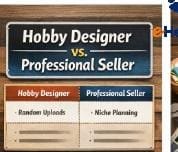
Comparison Table: Hobby Designers vs Professional Zazzle Sellers
| Aspect | Hobby Designers | Professional Sellers |
|---|---|---|
| Design Strategy | Random uploads | Niche-focused planning |
| Branding | Inconsistent | Cohesive brand identity |
| Optimization | Minimal | Search-aware structure |
| Growth Approach | Trial and error | Data-driven decisions |
| Income Potential | Unstable | Scalable and predictable |
Real-World Case Study: From Zero to Consistent Sales
A designer entering the platform with no prior experience focused on a single niche related to lifestyle motivation. Instead of uploading dozens of unrelated designs, they created a cohesive collection using consistent typography and messaging.
By applying strategic niche domination, refining designs based on performance, and expanding only within the same theme, the designer achieved steady monthly sales within six months.
Key lessons from this case:
Focus beats variety
Consistency builds trust
Optimization amplifies visibility
Frequently Asked Questions (FAQ)
Q1: Is Selling Designs on Zazzle suitable for beginners?
Yes, beginners can succeed if they approach the platform strategically and focus on learning optimization and niche selection.
Q2: How long does it take to see results?
Results vary, but consistent effort and smart planning often lead to measurable progress within a few months.
Q3: Do I need advanced design skills to succeed?
Basic design skills combined with strong market understanding are often more effective than advanced artistry alone.
Q4: Can I scale without uploading daily?
Yes. Strategic uploads, design iteration, and optimization can outperform high-volume uploading.
Q5: What is the biggest mistake designers make?
Ignoring niche focus and failing to treat their store as a brand-driven business.
Conclusion
Selling Designs on Zazzle is not about luck or viral success—it is about strategy, consistency, and understanding buyer behavior. Designers who invest time in planning, branding, and optimization create sustainable businesses rather than short-term wins.
By mastering Creating Art Products on Zazzle, learning How to Succeed as a Designer on Zazzle, and applying smart approaches to Marketing Your Zazzle Store, designers can build long-term success in the personalized products space. With the right mindset and execution, Zazzle becomes more than a platform—it becomes a scalable creative opportunity.